Reversal of fortune or persistence of wealth? Institutions and wealth inequality in a Caribbean slave plantation economy, 1750s to 1917
With Klas Rönnbäck and Dimitrios Theodoridis
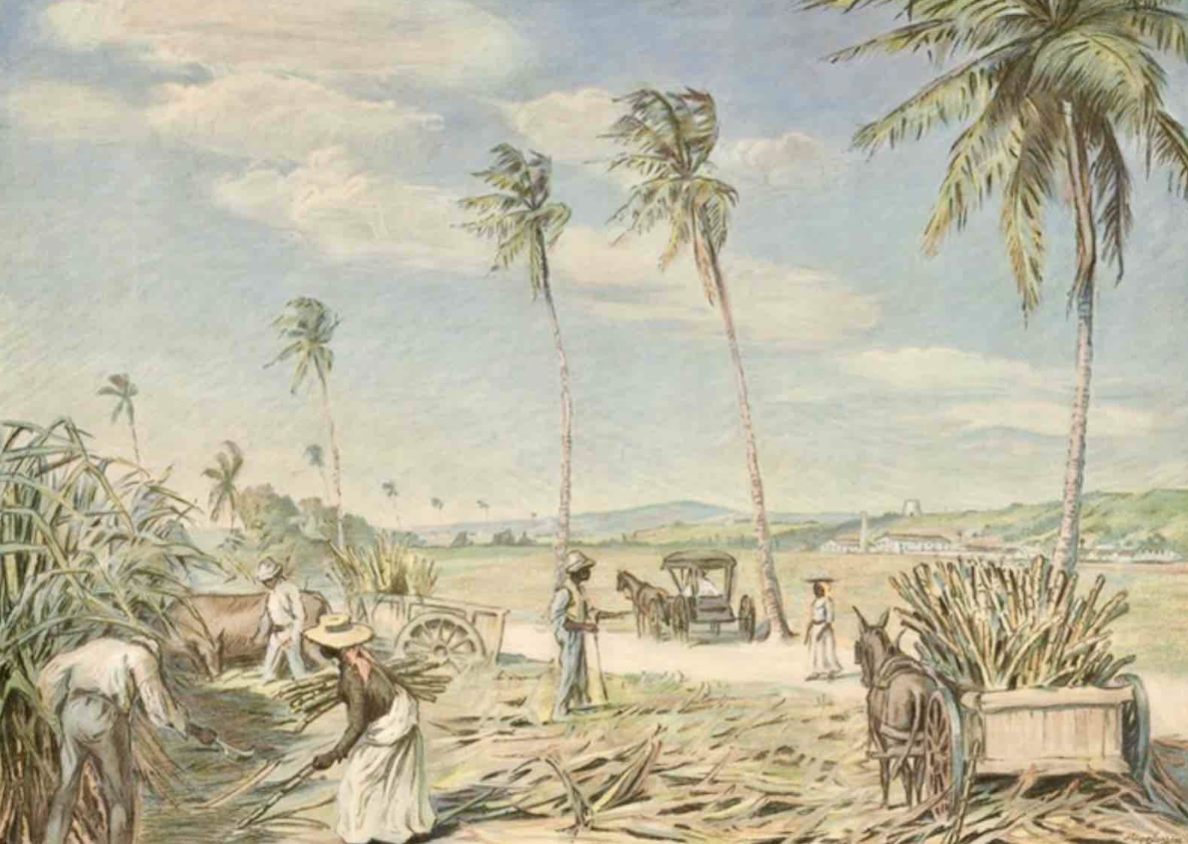
In recent years, there has been a resurgence in scholarly interest in the topic of inequality, with research studying both drivers and consequences of inequality. Many colonies have also been shown to have had a highly unequal distribution of both income and wealth, if compared to non-colonies. There has then been a plethora of studies from various places in the settler societies in North America (the northern parts of current-day United States and Canada). But what about the slave societies dominating much of the rest of the Americas?
The project examines wealth distribution in a Caribbean plantation economy over the long run, 1750-1915 ca.. The aim of the project is twofold. First, the project intends to contribute to the debate over the effect of different colonial set-ups on inequality by studying how unequal plantation societies were compared to other types of colonial societies, e.g. settler societies. Second, the project intends to contribute to the debate over institutional persistence by analysing the impact of systemic shocks, e.g. slave trade abolition, slave emancipation, on wealth distribution and elite persistence.
ARTICLES
Historical economic Inequality
Emancipation and wealth
inequality in the Caribbean
Numeracy and the legacy of slavery
Reconstructing a slave society: Building the DWI panel, 1760-1914
Elite persistence and Inequality in the West Indies
Resistance and transgressive
behavior in the Caribbean
 Stefania Galli