Welfare Effects of Trade Policy Instruments: Evidence from the nineteenth century
with Christopher Absell
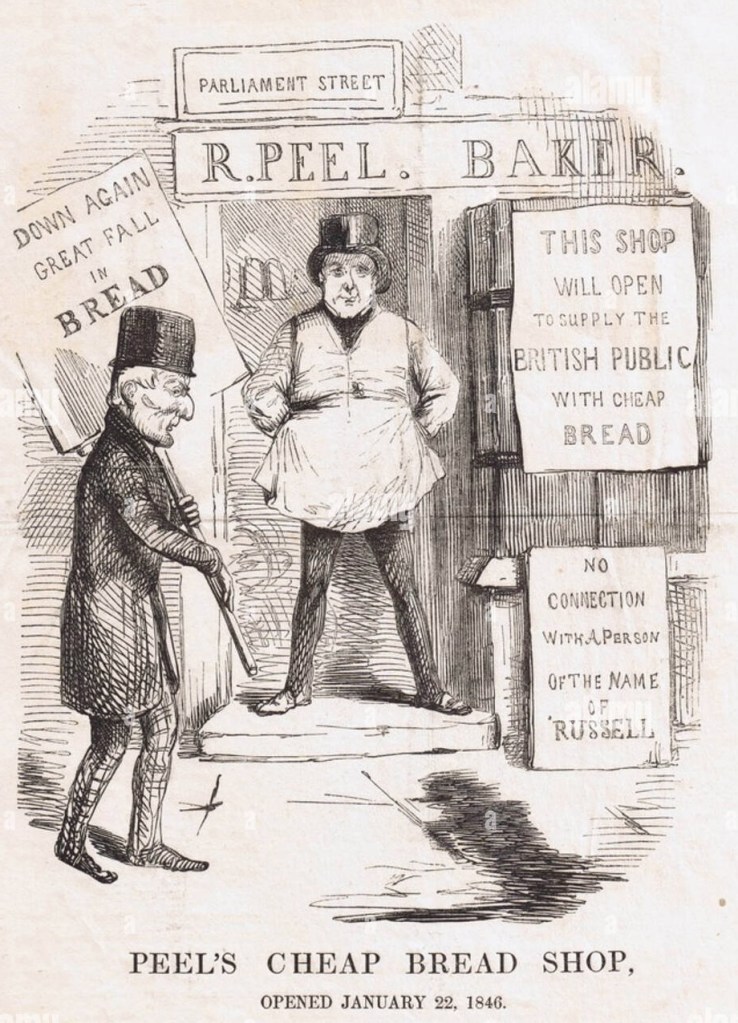
The Welfare Effects of Trade Policy Instruments (WETPOL) project provides the first comparative study of the long-run effects of a set of trade policy measures on the welfare of consumers and producers of a single commodity in a single market over time.
The project exploits an historical case study: the nineteenth century British market. The British case provides an ideal historical laboratory for studying the welfare effects of trade policy instruments, as the import market was the focal point of a series of demarcated trade policy interventions, focused on the liberalisation of trade from the 1840s onwards.
The project studies the welfare effect at the macro- and micro-level, integrating household level consumption patterns into the analysis to address who gained and who lost from trade liberalisation.
 Stefania Galli